
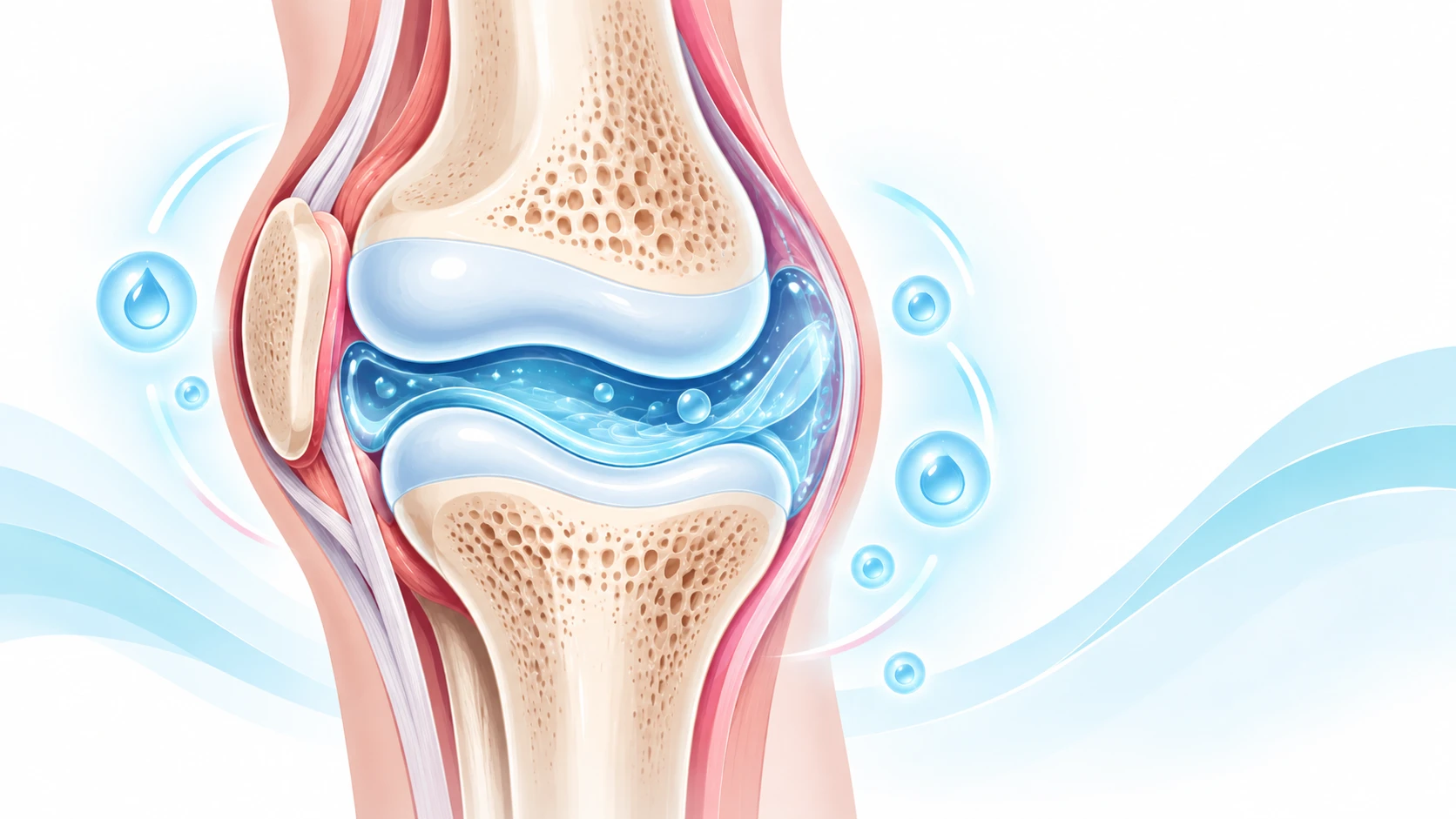
Learn about biological hydrogel therapy, a single-session injection that supports the fluid inside the joint for people with pain from joint osteoarthritis.
What Is Biological Hydrogel Therapy?
Biological hydrogel therapy is a viscosupplementation method that helps reduce pain and increase mobility in patients with joint pain due to osteoarthritis (calcification of the joints) by supporting the fluid inside the joint. In this application, NASHA® technology is used to stabilize and cross-link hyaluronic acid (HA); this process creates a gel-bead structure with a high molecular weight (approximately 1000–1500 kDa).
Which Joints Is It Applied To?
Biological hydrogel therapy is most commonly applied to the knee and hip joints. Depending on approval and area of use, it may also be considered in other joints such as the shoulder, ankle, elbow, wrist, fingers and toes.
How Is It Performed?
The treatment is applied directly into the affected joint space as a single injection. The procedure is generally performed under guided imaging (ultrasound, etc.) so that the correct point can be reached.
How It Works
The gel-bead structure that is formed acts similarly to synovial fluid, the joint’s natural lubricant, helping to reduce friction and wear inside the joint. In this way, the aim is to reduce pain during joint movement and to support mobility.
Benefits
- In joint osteoarthritis, the treatment is given in a single session and may provide long-lasting relief.
- With its structure similar to natural joint fluid (synovial fluid), it helps reduce friction and wear inside the joint.
- It may help you perform daily activities more comfortably and support your quality of life.
- In suitable patients, by relieving pain, it may contribute to delaying the need for a knee replacement or similar surgical intervention.
- It does not contain cortisone (steroid); therefore, it does not carry the risk of long-term tissue damage associated with cortisone injections.
Who Can It Be Applied To?
It can be applied to patients who experience pain and restricted movement due to joint osteoarthritis (calcification of the joints) and who are deemed suitable after a physician’s evaluation. The suitability of the procedure for the individual is determined by the physician by evaluating the person’s health status and joint structure.
Does It Have Side Effects?
After the injection, the following temporary effects may be seen in approximately 10–20% of patients:
- Mild pain and aching
- Mild swelling and stiffness / restricted movement in the joint
- Redness, bruising and a feeling of warmth at the needle site
What to Pay Attention to After the Procedure
- Rest for the first 48 hours: For the first 2 days after the injection, avoid heavy activities that put load on the joint, such as running, heavy lifting, tennis or standing still for more than 1 hour.
- Apply cold: To relieve swelling and pain, you can apply an ice compress to the joint area for 10–15 minutes several times a day.
Conclusion
Biological hydrogel therapy is a method that, in suitable patients with pain due to joint osteoarthritis, may help reduce pain and support mobility by supporting the fluid inside the joint with a single-session injection. The suitability of the procedure for the individual and the expected benefit are determined after a physician’s evaluation.
Frequently Asked Questions About Biological Hydrogel Therapy
How many sessions does biological hydrogel therapy take?
In joint osteoarthritis, the treatment is generally given in a single session.
Which joints can it be applied to?
It is most commonly applied to the knee and hip joints; depending on approval and area of use, it may also be considered in other joints such as the shoulder, ankle, elbow, wrist, fingers and toes.
Is it the same as a cortisone injection?
No. It does not contain cortisone (steroid); therefore, it does not carry the risk of long-term tissue damage associated with cortisone injections.
Does it have side effects?
Temporary effects such as mild pain, swelling, stiffness, or redness/bruising at the needle site may be seen in approximately 10–20% of patients.
What should I pay attention to after the procedure?
It is recommended that you avoid heavy activities that put load on the joint for the first 48 hours and apply cold to the area when needed.
Clinic Location
We offer this treatment at our clinic in Ataşehir / Istanbul. Address and directions.