Don't ignore pain! Take back your freedom of movement with Physical Therapy and Rehabilitation, and don't let pain limit your life.
Physical Therapy and Rehabilitation: The Scientific Path to Healthy Movement
In daily life, our body’s natural balance can be disrupted by inactivity, poor posture, trauma, muscle weakness or chronic diseases.
As a result, pain, restricted movement and a decline in quality of life appear.
This is exactly where Physical Therapy and Rehabilitation comes in — it aims at a pain-free, strong and active life by bringing the body back into balance.
Physical therapy, one of the important branches of modern medicine, targets not only the symptoms but the underlying cause of pain and loss of function.
The goal is to support natural healing with methods that involve no medication and no surgery, and to help the body regain its ability to repair itself.
What Is Physical Therapy and Rehabilitation?
Physical Therapy and Rehabilitation (PTR) is a medical discipline covering the diagnosis, treatment and recovery process of conditions that affect the musculoskeletal system, the nervous system and joint function.
Physical therapy uses electricity, heat, cold, ultrasound, laser or mechanical devices to reduce pain, strengthen muscles and restore movement.
Rehabilitation, on the other hand, enables a person to regain lost functions — in other words, it makes the patient not only “pain-free” but also independent and active.
These two fields work together and aim for both physical and psychological recovery.
Main Goals of Physical Therapy
- Reducing pain
- Increasing muscle strength and endurance
- Maintaining or increasing joint range of motion
- Improving balance and coordination
- Providing independence in daily living activities
- Preventing recurring injuries
- Physical therapy is not only a therapeutic but also a preventive health approach.
Physical Therapy Methods and Technologies
Today, in addition to classic exercise therapies, many modern methods are also applied thanks to advancing technology.
Here are some of the most commonly used physical therapy techniques:
1. Manual Therapy
These are mobilization and manipulation techniques performed by hand by a physiotherapist. They relieve muscle spasms, increase joint movement and speed up circulation.
2. Electrotherapy
Pain control and muscle stimulation are provided by delivering a low-level electric current to muscle and nerve tissues. TENS, NMES and interferential currents are the most common types.
3. Ultrasound Therapy
High-frequency sound waves are transmitted to the tissues. With the deep heating effect, muscle spasm is relieved, circulation increases and healing is accelerated.
4. Laser Therapy (Robotic Laser / HILT / Low-Level Laser)
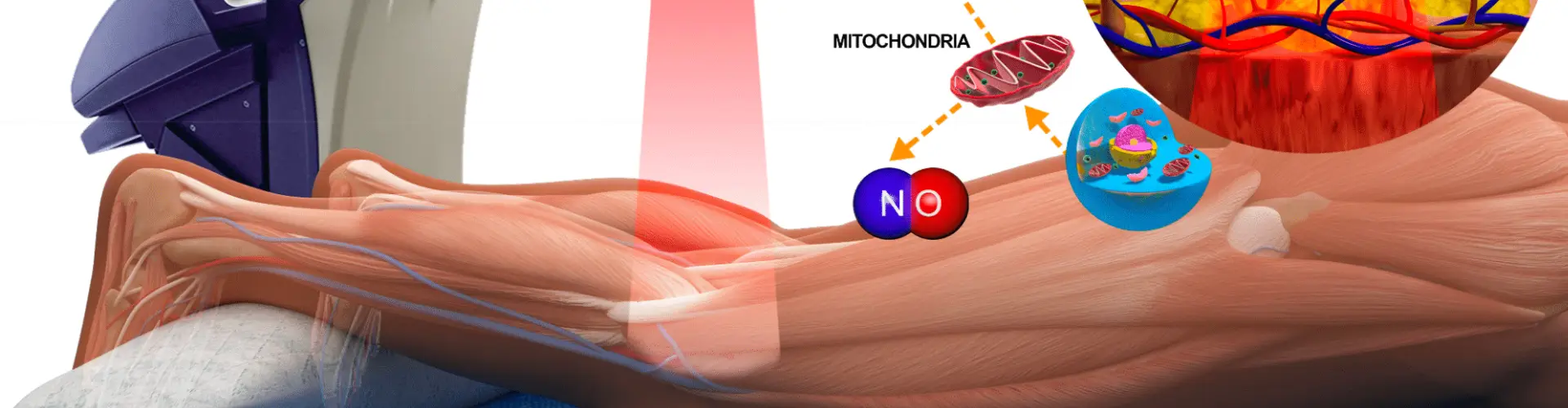
It accelerates cell regeneration, reduces inflammation and eases pain. It is particularly preferred for muscle-tendon injuries and joint pain. In our clinic, with Robotic Laser technology, which is available in a limited number of physical therapy centers in Turkey, a precise and controlled dose can be delivered to the targeted area.
5. Tecar Therapy
It acts deep in the tissues with radiofrequency energy. By increasing blood circulation, it provides rapid recovery in muscle and joint pain.
6. Hot and Cold Applications
These are classic but effective methods for muscle relaxation and edema control. Cold is preferred for acute injuries and heat for chronic pain.
7. ESWT (Shock Wave) Therapy
With high-energy sound waves, it stimulates blood circulation and tissue repair in damaged tissue. At our center, we apply ESWT therapy in cases of heel spurs, tennis elbow and lipedema.
8. Exercise and Functional Rehabilitation
Personalized exercise programs increase muscle strength, balance and endurance.
The aim is not only recovery but also building healthy movement habits.
The Importance of Rehabilitation
Rehabilitation is a continuation of physical therapy. Just as important as the relief of pain through treatment is the recovery of function.
For example;
Re-teaching walking after surgery (for example, after a knee replacement),
Regaining muscle control after a stroke (paralysis),
Making the return to sport safe after sports injuries,
are among the main goals of rehabilitation.
The rehabilitation process is individual; it is planned according to the patient’s age, lifestyle, muscle strength and goals.
In Which Conditions Is Physical Therapy Applied?
Physical Therapy and Rehabilitation is applied across a very wide range of conditions:
- Lumbar and cervical disc herniations
- Muscle and joint pain
- Osteoarthritis (joint calcification)
- Rheumatic diseases
- Shoulder impingement, tennis/golfer’s elbow
- Meniscus and ligament injuries
- Scoliosis and postural disorders
- Sports injuries and muscle tears
- Stroke (paralysis) rehabilitation
- Post-surgery recovery processes
In other words, physical therapy is not only for elderly or ill people; it is a preventive method for everyone who leads an active life.
How Does the Physical Therapy Process Work?
Assessment:
The physician or physiotherapist evaluates the patient’s complaint, posture, muscle strength and range of motion.
Treatment Plan:
Device-based treatments, exercises and manual techniques are determined individually.
Application:
Sessions generally last 60 minutes and are held 2–3 times a week.
Follow-up:
Progress is monitored and the treatment protocol is updated if necessary.
How Long Does Physical Therapy Take to Work?
This period varies depending on whether the condition is chronic or acute.
In acute conditions even 3–5 sessions may be enough, while in chronic pain 10–20 sessions may be needed.
However, when applied regularly, physical therapy does not merely reduce pain; it provides lasting recovery.
Frequently Asked Questions (FAQ)
1. Is physical therapy a painful procedure?
No. A mild warmth or muscle movement may be felt during the procedure, but there is no pain.
2. Who needs physical therapy?
Anyone with musculoskeletal pain, restricted movement, an injury or a post-surgery recovery process may need physical therapy.
3. How many sessions does physical therapy take?
It is generally applied for 10–15 sessions. However, the duration varies according to the type of condition and the patient’s general state.
4. Does physical therapy provide a permanent solution?
Yes. When done regularly, it eliminates not only the pain but also the cause of the pain. It also prevents recurrences.
5. Can I exercise after physical therapy?
Yes. However, exercises should be done as recommended by the physiotherapist. Sudden overloading must be avoided.
6. Who cannot receive physical therapy?
Caution is exercised with people who have a pacemaker, those with an active infection and some cancer patients. The decision is under the physician’s control.
7. Is physical therapy a medication-free method?
Yes. Physical therapy uses the body’s natural healing capacity and provides pain control without medication.
Conclusion: Moving Is the Best Form of Healing
Physical Therapy and Rehabilitation does not merely relieve pain; it retrains the body.
By increasing muscle strength, mobility and quality of life, it enables people to be more active and happier in daily life.
Thanks to today’s modern physical therapy approaches — HILT, Tecar Therapy, Manual Therapy, Exercise Rehabilitation — the healing process has now become faster, painless and lasting.
If you too want to get rid of your pain, move more comfortably and regain your vitality;
Physical Therapy and Rehabilitation is the strongest step you can take toward a healthy future.
Frequently Asked Questions About Physical Therapy and Rehabilitation
In which conditions are physical therapy and rehabilitation applied?
Muscle and joint pain, lumbar and cervical disc herniations, osteoarthritis, spinal curvatures, scoliosis, osteoarthritis of all joints, especially the knee and hip, meniscus tears, sports injuries, ankle sprains, heel spurs, Achilles tendinitis, rotator cuff syndrome of the shoulder, frozen shoulder, tennis and golfer's elbow, wrist injuries and nerve entrapments such as carpal tunnel, facial paralysis,
How long do physical therapy sessions last on average, and how many sessions are generally needed?
Sessions last about 1 hour on average. The number of sessions is determined according to the patient's needs.
When do signs of improvement start to appear after physical therapy?
Signs of improvement generally begin when about half of the planned sessions have been completed.
Is there pain or side effects during physical therapy applications?
There may be a mild increase in pain at the start of treatment, but it decreases as the sessions progress.
Are people receiving physical therapy given a home exercise program?
Yes, one is generally given to support the treatment process.
Is the healing process negatively affected if treatment is interrupted?
Continuity is very important in physical therapy. A break covering a few sessions does not cause much of a problem, but efficiency drops in physical therapy programs that are carried out very irregularly.
Are special physical therapy protocols applied for athletes?
Yes. Physical therapy and rehabilitation programs are planned according to the athlete's needs and sport.
When should physical therapy start after surgery?
It varies depending on the type of surgery and the patient's condition. It is planned by mutual agreement between the surgeon who performed the operation and the physical therapy physician.
Are physical therapy services covered by SGK (Turkey's Social Security Institution) or private health insurance?
At our institution, physical therapy services are provided through private insurance and on a fee-paying basis.
How often should follow-up checks be done after treatment is completed?
At our institution, physical therapy sessions are carried out under physician supervision, and our doctor examines our patients at the end of treatment. After that, the doctor generally calls them back for a check-up after 2 weeks or 1 month.
Clinic Location
We offer this treatment at our clinic in Ataşehir / Istanbul. Address and directions.