
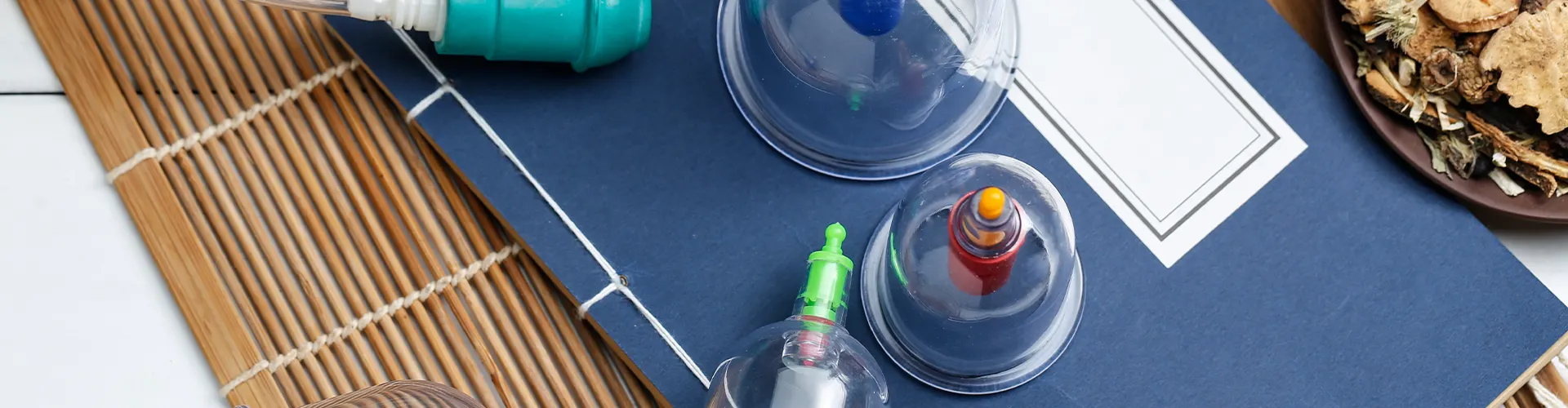
Cleanse your body and boost your energy! Get rid of toxins with cupping and support your natural healing process.
Cupping (Hijama) Therapy: Natural Healing from Tradition to the Future
Cupping (Hijama) is an important part of traditional medicine with a history of thousands of years. By helping to remove toxins and dirty blood that accumulate in the body, it supports the body’s natural healing process. Alongside modern medicine, it is also widely preferred as an alternative and complementary method.
What Is Cupping (Hijama)?
Cupping begins with placing vacuum cups on the surface of the skin. This procedure increases blood flow and helps remove toxins from the body. In wet cupping, small incisions are made at specific points and dirty blood is allowed to drain out.
Mechanism of Action of Cupping Therapy
- Increased Blood Circulation: With the vacuum effect, the blood vessels widen and blood flow speeds up.
- Removal of Toxins: Toxins and dirty blood under the skin are drawn out.
- Reduction of Pain: Muscle tension and pain are eased.
- Strengthening of the Immune System: The body becomes more resistant to infections.
When Is It Used?
- Migraine and headaches
- Rheumatic diseases
- Lower back and back pain
- Blood pressure problems
- Allergic conditions
- Skin problems (eczema, acne)
- Musculoskeletal pain
In these conditions, cupping provides relief by supporting the body’s natural detox mechanism.
Benefits of Cupping Therapy
- Relieves pain: Reduces muscle tension and pain.
- Removes toxins: Helps harmful substances leave the body.
- Strengthens immunity: Increases resistance to infections.
- Increases blood circulation: Widens the blood vessels and speeds up blood flow.
- Reduces stress: Relaxes the nervous system and provides general calm.
Treatment Process and Session Plan
- Assessment: The specialist physician evaluates the patient’s general health.
- Application: Cupping is performed at the appropriate points under sterile conditions.
- Session Duration: It takes 30–45 minutes on average.
- Aftercare: Rest is recommended after the procedure.
The number of sessions may vary depending on the patient’s condition.
Who Can Receive It?
Cupping therapy is suitable for individuals who are in good general health and have the conditions listed above. However, it is not recommended in the following cases:
- Pregnant women,
- People with bleeding disorders,
- People with serious heart disease.
Frequently Asked Questions (FAQ)
- Does cupping hurt? A slight ache may be felt during the procedure, but it is generally not painful.
- What effects are seen after cupping? Fatigue, dizziness or mild bruising may be seen after the procedure; these effects are temporary.
- How many sessions does cupping therapy take? The number of sessions varies according to the patient’s condition; 3–5 sessions are generally recommended.
- Who is cupping suitable for? It is suitable for individuals who are in good general health and have the stated conditions.
- Can cupping be combined with other treatments? Yes, cupping therapy can be combined with other modern or traditional treatment methods.
Conclusion: Modern Healing with a Traditional Method
Cupping therapy, with its history of thousands of years, is an effective method that supports the body’s natural healing processes. Alongside modern medicine, it is also preferred as a natural and complementary option. When performed by specialist physicians under suitable conditions, it can be beneficial for many health problems.
Frequently Asked Questions About Cupping (Hijama)
What is cupping (Hijama) and what is it done for?
Cupping is a treatment in which small incisions are made on the skin and vacuum cupping cups are used to help remove toxins from the body.
What are the health benefits of cupping therapy?
It may be used to speed up blood circulation, remove toxins from the body, strengthen the immune system and ease muscle pain.
How many cupping sessions should be done?
It varies according to the patient's needs, but 3–4 sessions can be done.
Can I return to daily life immediately after cupping?
You can return.
Does cupping have side effects?
Not when it is performed under sterile conditions and by a doctor.
Who cannot receive cupping?
It is not performed on people with bleeding disorders or on those who have an infection in the area where cupping will be applied.
Are there any dietary precautions after cupping?
Alcohol should not be consumed, and sugary foods, sweets and packaged foods should not be eaten.
Can medication be used together with cupping?
Cupping is a medication-free treatment.
Does cupping therapy give permanent results?
It varies according to the patient's condition and the severity of the disease, but it is a very effective method, especially for removing toxins from the body.
What should be paid attention to at centers where cupping is performed?
It is important that it is sterile and single-use.
Clinic Location
We offer this treatment at our clinic in Ataşehir / Istanbul. Address and directions.
Last updated: October 15, 2026