
Give your joints natural support with a cytokine-rich serum made from your own blood, and take another step toward pain-free movement.
What Is Smart Plasma Therapy?
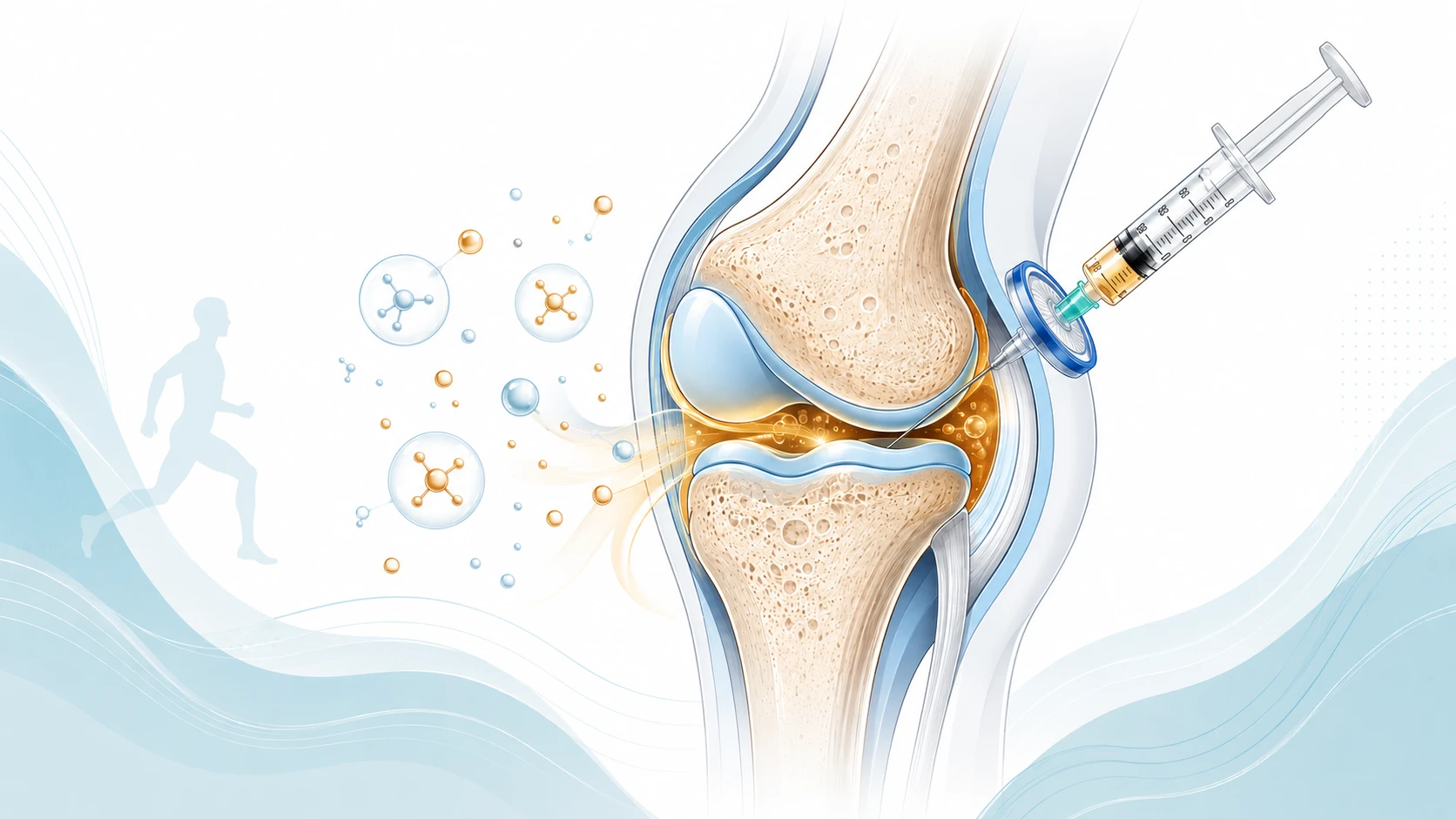
Popularly known as Smart Plasma, Autologous Cytokine-Rich Serum (ACRS) therapy is a regenerative method based on injecting a serum obtained from the patient’s own blood with special devices, rich in anti-inflammatory proteins and growth factors, into a joint or tissue.
This treatment does not use a foreign substance; it uses a serum prepared from the person’s own blood. The aim is to help balance the inflammatory process in joints and tissues, reduce pain and support mobility.
What Does Autologous Cytokine-Rich Serum (ACRS) Mean?
- Autologous: Obtained from the person’s own body, meaning it contains no outside source.
- Cytokine: Proteins that enable communication between cells and regulate inflammation and healing processes.
- Rich serum: The liquid part of the blood, prepared through special processing and enriched in proteins that balance inflammation and in growth factors.
What Is the Difference Between Smart Plasma and PRP?
PRP (platelet-rich plasma) is a plasma application in which platelets are concentrated. Smart plasma, on the other hand, uses the serum portion of blood obtained by processing it with special devices; this serum mainly contains anti-inflammatory proteins and growth factors. Both methods are prepared from the person’s own blood and are among regenerative medicine approaches; which one is suitable is decided after a physician’s assessment.
How Is It Performed?
- Blood draw: A small amount of blood is taken from the patient under sterile conditions.
- Preparing the serum: The blood is processed with special devices and tubes in a procedure that takes about 3 hours to obtain a serum rich in anti-inflammatory proteins and growth factors.
- Application: The prepared serum is injected into the target joint or tissue using the method the physician considers appropriate; the application itself takes about 15 minutes.
You may feel a brief pricking sensation during the procedure; it is generally well tolerated.
Mechanism of Action
The anti-inflammatory proteins in the serum may help balance the signals that drive inflammation in joints and tissues. Growth factors, in turn, help support tissue repair processes. Through this two-way effect, the aim is to reduce pain and make joint movement easier.
Scientific studies report that similar serum applications can have a positive effect on pain and function, particularly in knee osteoarthritis; however, results vary depending on the person and the protocol used, and broader studies are still needed in this area.
When Is It Used?
- Pain caused by osteoarthritis (joint wear) in joints such as the knee, hip and shoulder
- Joint involvement due to rheumatism
- Swelling and deformities of the hand joints in rheumatoid arthritis
- Spine and sacroiliac joint involvement in ankylosing spondylitis
- Chronic joint pain and limited movement
- Pain originating from tendons and ligaments
- Supporting the recovery process after sports injuries
Whether the treatment is suitable for you is determined by evaluating the physician’s examination and any necessary imaging results.
Benefits
- Because it is prepared from the person’s own blood, the risk of allergic reaction is low.
- It contains no cortisone (steroid).
- It may help reduce joint pain without surgical intervention.
- It may help balance the inflammatory process and support mobility.
- It can be planned together with physical therapy and exercise programs.
Who Cannot Receive It?
The procedure may not be recommended, or a physician’s assessment is required, in the following situations:
- Active infection (general or at the application site)
- Bleeding disorders or use of blood-thinning medication
- Pregnancy
- Active cancer
Treatment Process and Session Plan
The session plan is personalized; treatment is usually planned as a program of 3–4 sessions, given at 2–3 week intervals. After the blood is drawn, preparing the serum takes about 3 hours, and applying the prepared serum takes about 15 minutes. The exact number of sessions and the interval are determined by the condition of the joint, how long the complaint has lasted and the physician’s assessment. When the effect begins and how long it lasts varies from person to person; the first signs may generally start to be felt within a few weeks. Progress is monitored through follow-up examinations.
Are There Any Side Effects?
After the procedure, temporary pain, mild swelling or redness may occur at the injection site. These symptoms usually pass quickly.
What to Pay Attention to After the Procedure
- First 24–48 hours: It is recommended to avoid heavy activities and intense sports that put excessive load on the joint.
- Drink plenty of water and keep up light daily movement.
- Follow the exercise and physical therapy program recommended by your physician.
Conclusion
Autologous Cytokine-Rich Serum (ACRS) therapy, popularly known as smart plasma, is a method that may help reduce pain and support mobility by applying, into a joint or tissue, a serum obtained from the person’s own blood that is rich in anti-inflammatory proteins and growth factors. Its suitability and the expected benefit are determined after a specialist physician’s assessment.
Frequently Asked Questions About Smart Plasma Therapy (ACRS)
What is smart plasma therapy?
It is the injection of a serum obtained from the patient's own blood with special devices, rich in anti-inflammatory proteins and growth factors, into a joint or tissue.
Are smart plasma and ACRS the same thing?
Yes. The method popularly known as smart plasma is medically called Autologous Cytokine-Rich Serum (ACRS).
How is smart plasma different from PRP?
PRP is a plasma application in which platelets are concentrated. Smart plasma uses a serum obtained by processing blood with special devices, which mainly contains anti-inflammatory proteins and growth factors.
Which joints and conditions can it be applied to?
After a physician's assessment, it can be applied particularly for osteoarthritis-related pain in joints such as the knee, hip and shoulder, joint involvement due to rheumatism, swelling and deformities of the hand joints in rheumatoid arthritis, spine and sacroiliac joint involvement in ankylosing spondylitis, chronic joint pain, tendon and ligament pain, and after sports injuries.
Is the procedure painful?
You may feel a brief pricking sensation during the blood draw and the injection. The procedure is generally well tolerated.
How many sessions are needed?
A program of 3–4 sessions is generally planned; sessions can be given at 2–3 week intervals. The exact plan is determined by the condition of the joint and the physician's assessment.
How long does the procedure take?
After the blood is drawn, preparing the serum takes about 3 hours. Applying the prepared serum into the joint or tissue takes about 15 minutes.
When are results seen, and how long do they last?
The first signs may generally start to be felt within a few weeks. How long the effect lasts varies from person to person and is monitored through your physician's follow-up examinations.
Is the treatment safe, and does it have side effects?
Because it is prepared from your own blood, the risk of allergic reaction is low. Temporary pain, mild swelling or redness may occur at the injection site; these usually pass quickly.
Who cannot receive smart plasma therapy?
The procedure may not be recommended for people with an active infection, bleeding disorders or those using blood thinners, pregnant women, and people with active cancer; the decision is made after a physician's assessment.
When can I return to daily life after treatment?
You can usually return to daily life. It is recommended to avoid heavy activities that put excessive load on the joint for the first 24–48 hours and to follow the exercise program recommended by your physician.
Clinic Location
We offer this treatment at our clinic in Ataşehir / Istanbul. Address and directions.